
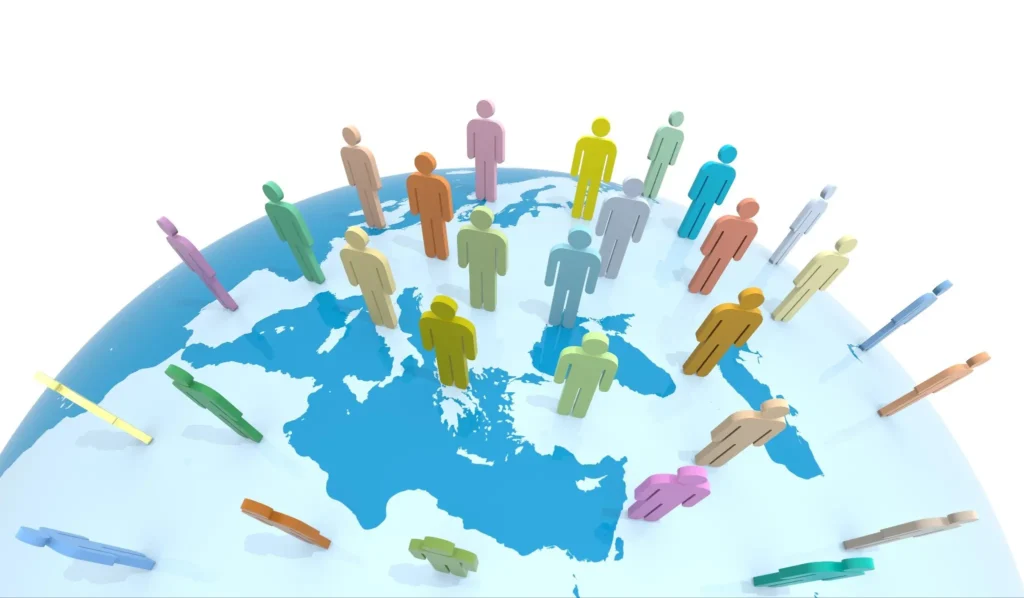
Living across cultures has become a reality for expats, globally mobile families, and international professionals. Careers, education, and opportunity increasingly require people to relocate across borders. Yet many discover that even with strong experience and qualifications, daily life and work abroad feel harder than expected.
The challenge is rarely technical skill or motivation. More often, the missing skill is cultural intelligence.
Cultural intelligence is the ability to understand, adapt, and function effectively in culturally diverse environments. For those living across cultures, it shapes how people communicate, build trust, make decisions, and feel a sense of belonging. Cultural intelligence for expats and global professionals is not a soft skill. It is a core capability that determines whether an international move becomes a success or a constant struggle.
Many people believe cultural adjustment will happen naturally with time. In reality, without intentional development of cultural intelligence, misunderstandings compound, confidence erodes, and performance suffers.
Cultural intelligence matters because it directly influences how individuals navigate new environments, especially when expectations around communication, hierarchy, relationships, and daily norms differ from what they are used to. This is where cross-cultural training and assessments become essential, helping expats and families identify cultural blind spots and prepare for real-world situations before misunderstandings arise.
First, cultural intelligence reduces friction in everyday interactions. Communication styles, concepts of time, approaches to authority, and social boundaries vary widely across cultures. Without cultural intelligence, even well-intentioned behavior can be misinterpreted, leading to tension at work and discomfort in social settings.
Second, cultural intelligence supports professional performance. Global professionals with strong cultural intelligence adapt faster, collaborate more effectively, and make better decisions in international roles. The ability to adjust leadership and communication styles across cultures is explored further in mastering cultural intelligence for global leadership, which highlights how cultural intelligence directly impacts credibility and influence in global environments.
Third, cultural intelligence supports family well-being. For expat families, cultural challenges affect spouses and children as much as the working professional. Cultural intelligence helps families understand social norms, build connections, and support children through cultural transitions with greater emotional resilience.
In short, cultural intelligence determines whether living across cultures feels overwhelming or empowering.
When cultural intelligence is missing, the consequences are tangible.
Professionals may experience miscommunication, stalled careers, or reduced credibility. Families may feel isolated, frustrated, or disconnected from their new environment. Organizations face failed assignments and early returns that carry high financial and human costs.
These outcomes are rarely due to lack of effort. They occur because cultural intelligence is often overlooked during relocation planning and global mobility preparation. Real-world cultural challenges faced by expats are predictable and preventable when cultural intelligence is addressed early through structured preparation and assessment.

Cultural intelligence is not about memorizing etiquette or cultural facts. It is practical and visible in daily behavior.
It shows up as a global professional who adjusts communication and decision-making based on local expectations. It shows up as an expat spouse who understands how relationships are formed in a new culture and navigates social spaces with confidence. It shows up as children who adapt more easily because their parents model curiosity, openness, and cultural awareness.
These outcomes are not accidental. They come from intentionally developing cultural intelligence and applying it to real situations. Many of these patterns are explored further in cultural intelligence insights focused on global leadership and cross-cultural effectiveness.
Cultural Pathways works with expats, families, and global professionals who want more than surface-level cultural awareness. The focus is on building cultural intelligence as a lived, practical capability that supports both professional success and personal wellbeing.
The process begins with understanding your unique cultural context. Every individual and family brings different experiences, expectations, and challenges when living across cultures. Cultural Pathways identifies where cultural friction is likely to occur and which cultural intelligence skills are most critical for your situation.
Clients are supported through personalized cultural intelligence coaching, guidance, and practical tools. This includes navigating workplace norms, improving cross-cultural communication, managing identity shifts, and supporting family adaptation. The emphasis is always on application, not theory.
Cultural intelligence evolves over time, especially as people move through different phases of relocation and global mobility. Ongoing support ensures confidence, clarity, and resilience as new cultural challenges emerge.
For expats and global professionals navigating complex cultural environments, building cultural intelligence early can be the difference between prolonged adjustment and long-term success.
For expats and global professionals, cultural intelligence protects careers. For families, it protects well-being and emotional stability. For organizations, it protects international investments and talent.
Rather than reacting to cultural challenges after they appear, developing cultural intelligence proactively allows individuals and families to move with confidence, build meaningful relationships, and perform at their best across borders.
Living across cultures does not have to feel uncertain or exhausting. With the right cultural intelligence, it becomes a strategic advantage.
If you are living across cultures or preparing for an international move, Cultural Pathways helps you build the cultural intelligence needed to adapt, connect, and thrive. Explore how personalized cultural intelligence support can help you and your family succeed globally.
Schedule a discovery call to explore how we can integrate CQ, coaching, and family support into your relocation strategy.
©2024. All Rights Reserved. Developed by Webinfinites.